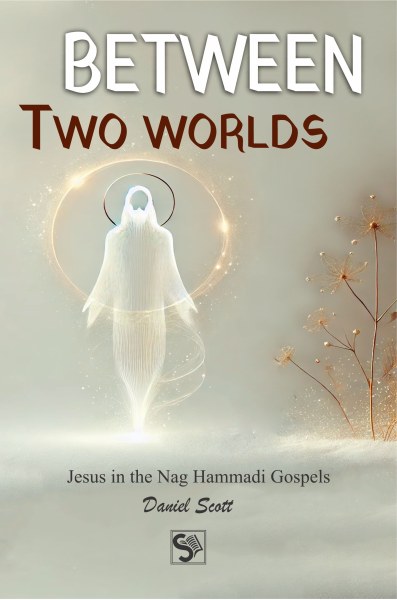
Between Two Worlds - Daniel Scott

Between Two Worlds

Jesus in the Nag Hammadi Gospels

Daniel Scott

Inglês17.29. Misticismo Religioso
Between Two Worlds: Jesus in the Nag Hammadi Gospels is an eBook on the apocryphal and Gnostic gospels that reveals a mystical, more human side of Jesus. Daniel Scott examines the Gospels of Thomas, Judas and Philip, the role of Mary Magdalene, the divine feminine, salvation as self-knowledge and the Kingdom of God as an inner reality. It compares these texts with the canonical gospels and shows how they challenge traditional views and reshape the modern understanding of early Christianity.

USD 4,20

Comprar e ler

Table of contents

  1. Reading Guide
  2. Prologue:
  3. Chapter 1: Introduction to the Apocryphal Jesus
  4. Chapter 2: The Childhood of Jesus in the Apocryphal Gospel
  5. Chapter 3: The Esoteric Jesus in Gnostic Texts
  6. Chapter 4: The Humanity of Jesus in the Apocrypha
  7. Chapter 5: Jesus and His Disciples in the Non-Canonical Gospels
  8. Chapter 6: Jesus and the Role of Women in the Apocrypha
  9. Chapter 7: Jesus as a Mystical Master
  10. Chapter 8: The Political Jesus: A Revolutionary Leader
  11. Chapter 9: The Miracles of Jesus from the Apocryphal Perspective
  12. Chapter 10: The Hidden Legacy of Jesus: The Gospel of Philip
  13. Chapter 11: The Last Supper and Crucifixion in Apocryphal Texts
  14. Chapter 12: The Jesus Resurrected by the Apocryphal Disciples
  15. Chapter 13: Early Christianity and Apocryphal Texts
  16. Chapter 14: The Representation of Jesus in the Lost Gospels
  17. Chapter 15: The Wisdom of Jesus in the Nag Hammadi Texts
  18. Chapter 16: Jesus and the Hidden Wisdom of the Apocryphal Gospels
  19. Chapter 17: The Resurrection: Apocryphal Visions
  20. Chapter 18: The Gospel of Judas: A New Look at the Betrayer
  21. Chapter 19: The Ascension of Jesus in Apocryphal Texts
  22. Chapter 20: The Figure of Mary Magdalene: The Apocryphal Disciple
  23. Chapter 21: The Gospel of Thomas: The Philosophical Jesus
  24. Chapter 22: The Cosmic Jesus in Gnostic Texts
  25. Chapter 23: The Meaning of Salvation in Apocryphal Gospels
  26. Chapter 24: The Kingdom of God According to Apocryphal Texts
  27. Chapter 25: Jesus and the Divine Feminine in the Apocryphal Texts
  28. Chapter 26: The Apocalypse of James and Other Final Visions
  29. Chapter 27: The Influence of the Apocryphal Gospels on the Modern Understanding of Jesus
  30. Epilogue

Excerpt from the book

Chapter 1: Introduction to the Apocryphal Jesus

The term "apocryphal" holds a deep and nuanced meaning, especially in the context of religious literature. Derived from the Greek word apokryphos, meaning “hidden” or “obscure,” the term is often associated with texts that have been excluded from the accepted or orthodox canon of religious scriptures. In the case of Christianity, the canonical texts refer to the books that were included in the Bible, while the apocryphal texts are those that were left out during the process of canonization. This distinction is not based solely on the quality or content of the writings but on the historical and theological processes that shaped the early Christian church.

Apocryphal works often emerged around the same time as the canonical gospels or shortly thereafter, offering alternative perspectives on religious figures and events. Many of these texts present different or additional narratives about the life and teachings of Jesus, often focusing on esoteric or mystical elements that diverge from the more doctrinal approaches of the canonical gospels. The decision to exclude certain texts from the canon was largely influenced by early church authorities who sought to establish a unified doctrine, and thus, many apocryphal texts were branded as heretical or unorthodox. However, these writings were not universally dismissed or forgotten; instead, they continued to circulate among various…