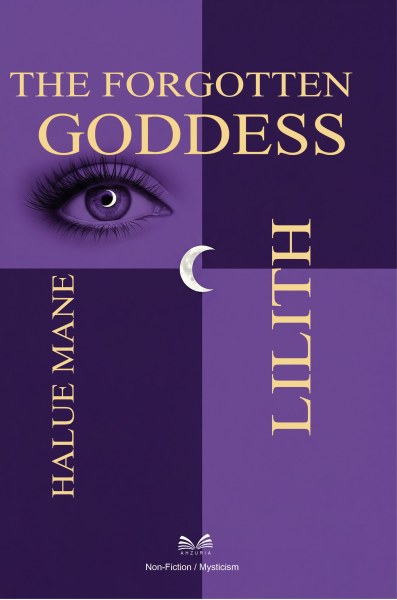
Lilith
The Forgotten Goddess
USD 4,20
Comprar e ler
The Forgotten Goddess
USD 4,20
Comprar e lerChapter 1 Introduction to the Myth of Lilith
The myth of Lilith has deep roots in ancient traditions, going back to the civilizations of Mesopotamia, where similar figures already appeared in Babylonian and Sumerian mythologies. In these stories, she is associated with female spirits of the winds and storms, often representing negative and threatening aspects. The connection with these entities suggests an evolution, which, when integrated into Jewish culture, acquired more defined characteristics.
In Jewish tradition, Lilith gains prominence in the texts of the Talmudic period and, later, in the mystical literature of the Zohar. The association with the Garden of Eden and Adam is a later insertion, which distances itself from the official biblical narratives and approaches a more esoteric context. This origin reflects an attempt to explain the existence of a first woman who preceded Eve, offering an alternative narrative to the traditional Genesis account. In this version of creation, she is introduced as an autonomous figure, possessing a will of her own, which establishes the basis for the subsequent conflicts with Adam.
The evolution of the myth over the centuries can be seen as a reflection of changing cultural perceptions of gender and power. Initially portrayed as a demonic figure, the character gradually came to be seen as a symbol of resistance and emancipated femininity, especially in…