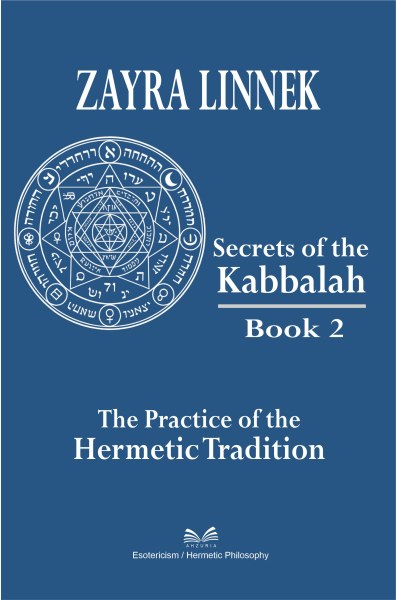
Secrets of the Kabbalah – Book 2
The Practice of the Hermetic Tradition
USD 4,20
Comprar e ler
The Practice of the Hermetic Tradition
USD 4,20
Comprar e lerChapter 1Hermetic Renaissance
Fifteenth-century Europe experienced a period of intense cultural, intellectual, and spiritual change, becoming a true melting pot of transformations. Until then, the continent had gone through centuries marked by an almost absolute theological predominance, in which knowledge was rigidly controlled by a few institutions, above all the Church. Books, formal education, and the interpretation of spiritual truths were restricted to monks, clerics, and scholars who, for the most part, maintained the intellectual tradition linked to medieval scholasticism. This model aimed to preserve social stability and ensure that explanations of the world remained within a Christian framework, focused on the salvation of the soul and on the submission of human beings to a higher divine order.
However, social, economic, and technological changes began to open cracks in this structure. The flourishing of cities, the strengthening of the mercantile bourgeoisie, and the development of new techniques, such as Gutenberg’s printing press, broadened access to information and multiplied the channels of knowledge circulation. In this context, the rediscovery of texts from Greece and Rome—preserved in part by Arab and Jewish intellectuals—rekindled a new way of thinking. This movement, later named the Renaissance, meant not only a revival of the arts and sciences of Antiquity, but also a profound reconsideration of the human condition in relation to the cosmos and to…