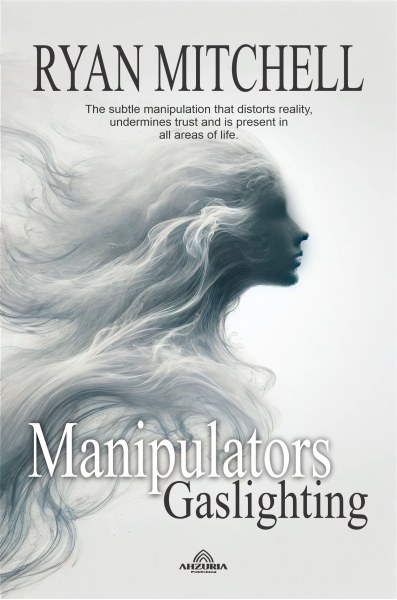
Manipulators - Ryan Mitchell

Manipulators

Gaslighting

Ryan Mitchell

Inglês15.1. Saúde Geral
Manipulators: Gaslighting explores gaslighting, a subtle form of emotional abuse in which the abuser distorts or denies reality so the victim doubts their own perceptions. The book shows how this manipulation appears in romantic relationships, families, the workplace and politics, explains its stages and effects on mental health, and offers tools to recognize the signs, defend yourself, communicate assertively and rebuild confidence and emotional resilience.

USD 4,20

Comprar e ler

Table of contents

  1. Foreword
  2. Chapter 1: What is Gaslighting?
  3. Chapter 2: Understanding how Gaslighting Works
  4. Chapter 3: Gaslighting in Different Contexts
  5. Chapter 4: The Psychology of Gaslighting
  6. Chapter 5: The Stages of Gaslighting
  7. Chapter 6: Defense Strategies Against Gaslighting
  8. Chapter 7: Assertive Communication to Combat Gaslighting
  9. Chapter 8: Gaslighting in the Workplace
  10. Chapter 9: Romantic Relationships and Gaslighting
  11. Chapter 10: Family Gaslighting
  12. Chapter 11: How to Help Victims of Gaslighting
  13. Chapter 12: Post-Gaslighting Emotional Recovery
  14. Chapter 13: Gaslighting and Mental Health
  15. Chapter 14: Digital Gaslighting
  16. Chapter 15: Maintaining Healthy Relationships
  17. Chapter 16: Overcoming the Trauma of Gaslighting
  18. Chapter 17: Manipulative Behavior Itself
  19. Chapter 18: How to Avoid Gaslighting
  20. Chapter 19: Self-confidence and Resilience
  21. Chapter 20: Regaining Contact with Abusers
  22. Epilogue

Excerpt from the book

Chapter 1: What is Gaslighting?

Gaslighting is a form of psychological manipulation that involves distorting or denying someone's reality, making them doubt their own perception, memory and even sanity. The essence of gaslighting is to deceive, confuse and disorient the victim to the point where they lose the ability to trust their own senses and what they believe to be real. This phenomenon stands out from other types of manipulation due to its depth, as it aims to directly undermine the victim's confidence in themselves, making them dependent on the abuser to interpret reality.

The term “gaslighting” has a curious origin. It comes from the 1938 play “Gas Light”, written by Patrick Hamilton, which was later adapted for the cinema in two versions in the 1940s, the best known being the 1944 version starring Ingrid Bergman. In the story, a husband manipulates his wife in subtle ways, with the aim of making her believe that she is losing her sanity. Among other things, he gradually dims the gas lights in the house (hence the name “Gaslighting”) and denies that this is happening, even when she notices the change. As he continues to manipulate and lie, she begins to doubt herself and her own perceptions.…